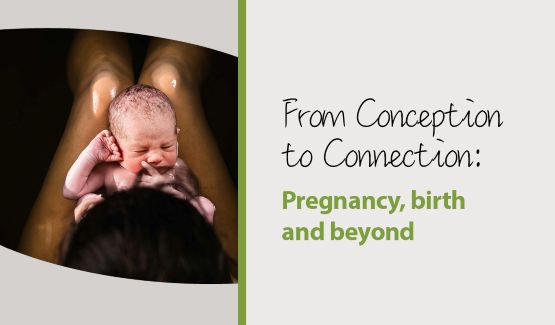
Pregnancy Associated Cancer (PAC) refers to a cancer diagnosed during pregnancy or in the year following birth. PACs are a growing global health issue with complexities that affect women’s physical, psychosocial, emotional wellbeing inclusive of their breastfeeding experiences and decision-making. Currently, there is limited research, and an absence of guidelines/policies which inform on holistic and supportive care. This presentation will focus on the finding of three systematic reviews that explore “Women’s Experiences of PAC Care”, “Healthcare Professionals Experiences of Providing PAC Care” and the “Breastfeeding Experiences and Decision-Making of Women’s Affected by Cancer.
After this presentation, participants will be able to:.
Breastfeeding challenges are often approached as individual maternal or infant problems. However, they frequently arise within broader maternity care systems that prioritise efficiency, standardisation and surveillance over relational, physiological care. This presentation examines what Dr Robyn Thompson has described as the “isation syndrome”, a framework that explores how contemporary maternity care has become increasingly medicalised, technicalised, institutionalised and system driven. These processes shape how women are prepared for pregnancy, birth and breastfeeding, and how care is delivered in time pressured, task oriented environments. This session explores how common maternity care practices can alter infant oral function, undermine maternal confidence and contribute to nipple pain, escalating intervention and early weaning. Attention is given to how performance based expectations and reduced relational care affect both women and healthcare professionals working within modern business models of care. The presentation invites health professionals to step back from isolated problems and diagnoses and consider breastfeeding as part of a continuous physiological transition from pregnancy and birth. It offers a systems informed lens to support reflective practice, continuity of care and informed decision making that protects breastfeeding physiology in the early postnatal period.
Individuals with disabilities experience persistent inequities in maternity care, often driven by gaps in disability identification, communication, and service design rather than clinical risk alone. Recent research has highlighted that disability is frequently invisible within maternity systems, resulting in unmet support needs and fragmented care for people with disabilities. This presentation will present an integrated overview of research that has examined disability and maternity care, with a particular focus on disability identification processes and clinician experiences across the perinatal continuum. Drawing on findings from PhD research on disability identification in maternity services, alongside a more recent evaluation study, this presentation will explore how current systems recognise (or fail to recognise) disability, and the implications this has for care planning, communication, safety, and equity.
This presentation explores the principles and practice of culturally safe maternity care within the Australian context, led by Stacey Butcher, a proud Dunghutti descendant with strong ties to Gomeroi country, nurse and midwife with lived experience and professional expertise. Despite ongoing reforms, Aboriginal and Torres Strait Islander women and families continue to experience inequitable maternal and perinatal outcomes, often shaped by systemic racism, cultural misunderstanding, and a lack of culturally safe care environments. Drawing on Aboriginal ways of knowing, being and doing, this session will examine what cultural safety truly means in maternity care—not as a checklist, but as an ongoing, reflective practice grounded in respect, self-awareness, and power-sharing. Participants will be guided through the historical and contemporary impacts of colonisation on Aboriginal maternal health, the role of trust and relationships, and the importance of embedding cultural safety across all stages of pregnancy, birth, and the postnatal period. The webinar will also highlight the critical role of Aboriginal nurses, midwives, and health workers in delivering culturally safe care, as well as practical strategies for non-Aboriginal practitioners to strengthen their practice, challenge bias, and support culturally responsive models of care.
Social media now plays a major role in how many people learn about and imagine pregnancy and birth. This presentation explores the ways influencers and content creators share stories, advice, and curated glimpses into their own experiences, and how this material might shape consumers’ expectations across the childbearing continuum. It considers the blend of personal narrative, commercial interests, and algorithmic visibility that makes certain messages more prominent than others. The session also looks at how these online influences can affect decision making, ideas about risk, and perceptions of maternity care. By taking a closer look at the digital spaces where so many people gather information, the presentation encourages maternity care professionals to think about how social media is contributing to contemporary understandings of pregnancy and birth.
Has your client ever been told that their baby is getting too big at the end of pregnancy? This class will answer all your questions: Are big babies at higher risk for complications such as shoulder dystocia? Can we accurately tell if a client is going to have a big baby? What is the evidence on induction for suspected big babies?
After this presentation, participants will be able to:
Background –Keeping mothers and babies together, ideally in skin-to-skin contact, immediately after birth is well known to promote health and wellbeing for women and babies, ensuring physical, psychological and nutritional needs are met. While this has become normal practice at vaginal births, it has not translated into birth via caesarean section. Research has been lacking in understanding the emotional impact for women when they have been separated unnecessarily. Objectives –• To understand and identify women’s thoughts, feelings and emotions on the impact of being separated from their baby at caesarean birth when not medically indicated • To view these experiences through a feminist approach seeing women as the expert in their own lives Methods – Fifteen in-depth, unstructured, phenomenological interviews explored the maternal experience of separation at caesarean birth. Data was analysed using a modified van Kaam approach, within a feminist phenomenological framework and theoretical perspective of Birth Territory (Fahy & Parratt, 2006) and Childbirth Rights of Passage (Reed, 2016).Findings – The results demonstrated the significant trauma experienced by the participants from both the separation event and overall perinatal care. Four major themes emerged from the data and characterised the experience of separation – Disconnection (from their own body, baby and partner), Emotional Turmoil (intense and continued feelings that impacted personal relationships), Influence (showing the vulnerability and unequal balance of power for women) and Insight (the reflection and wisdom of women as they came to terms with their experience). Health care provider needs were valued over those of the women as they transitioned to motherhood, and women experienced lack of control and trauma when their babies were removed from them at birth. Conclusion – Separating mothers and babies at caesarean section birth causes and exacerbates significant trauma for women. Women are demanding change, wanting safe, respectful, and fair maternity care as standard practice. Health care providers who advocate for, protect and support women’s choices can improve both the physical and psychological wellbeing of women and families.
Social support is a powerful, evidence‑based determinant of positive outcomes. Global strategies, including the UN Global Strategy for Women’s, Children’s and Adolescents’ Health (2016–2030), emphasise not only survival but the need for women and newborns to thrive. Research consistently shows that what matters to women during pregnancy, labour and early motherhood extends beyond clinical safety to encompass emotional wellbeing, autonomy, and culturally grounded expectations of care. Midwifery models that integrate social, emotional, informational, and companionship support align closely with these priorities. Salutogenic perspectives highlight how midwives enhance women’s sense of comprehensibility, manageability, and meaningfulness through predictable relationships, personalised care, and strengthened internal and external resources. Observational and trial evidence demonstrates that midwifery‑led continuity of care—particularly when embedded in supportive relational practice—reduces adverse outcomes, improves maternal and neonatal health, and enhances long‑term wellbeing. Social support itself is independently associated with improved fetal growth, mitigates effects of adverse childhood experiences, and improves broader indicators of human thriving. Biological pathways, including reduced inflammatory responses to social stress, offer plausible mechanisms for these effects. Classic trials such as Oakley et al. (1990, 2007) show that structured midwife‑provided social support improves birth outcomes and confers benefits extending into childhood. Despite strong policy endorsement, relational midwifery practices face erosion in many high‑income settings, creating negative feedback loops in safety and experience. Yet successful models—such as the HAAMLA team in Leeds, UK—demonstrate that trust‑based, adaptive, continuity‑focused midwifery remains achievable and impactful. This presentation argues that enabling midwives to provide relationship‑centred, socially supportive care is essential for optimising outcomes for all women and families. Re‑embedding social support within maternity systems is not an optional enhancement but a core component of safe, effective, and equitable care.
Climate change is increasingly recognised as a major determinant of health, yet maternity care is rarely seen as a site for climate action. This presentation investigates psychophysiological birth: birth supported by optimal hormonal physiology, relational care, and minimal intervention as a meaningful yet under-recognised climate response. Drawing on emerging evidence from neuroscience, polyvagal theory, midwifery, public health, and sustainability, the session considers how practices that protect the neurohormonal physiology of labour and birth can simultaneously improve maternal–infant outcomes and reduce the environmental impact of maternity services. By rethinking birth not only as a personal and clinical event but also as an ecological one, this presentation encourages participants to explore how relational, continuity-based, and low-intervention models of care contribute to both human and planetary wellbeing. Attendees will be prompted to reflect on how everyday clinical, educational, and policy decisions in maternity care can serve as acts of climate action.
Maternal health inequalities for women of colour are a persistent global concern, reflected starkly within the UK. Despite universal healthcare, Black women in the UK are more than twice as likely to die from pregnancy-related causes as White women and Asian women are around 1.3 times more likely to die during or shortly after childbirth. Severe maternal morbidity and mortality disparities are further compounded by social determinants such as deprivation, with women in the most deprived areas facing nearly double the risk of death compared with those in the least deprived. These inequities are shaped by structural and interpersonal racism, implicit bias, fragmented care, language and communication barriers and inconsistent access to culturally safe maternity services. Current models of care often fail to accommodate the lived experiences and needs of women of colour, reinforcing poor outcomes. Evidence suggests that continuity of midwifery carer, culturally responsive community-based models, trauma-informed and anti-racist practice and reliable interpreter use can improve outcomes and reduce disparities. Clinicians and systems must also address workforce diversity, embed cultural safety as a measurable standard and prioritise equity-focused service redesign. Equity in midwifery care is not an addition, it is appropriate-effective care and central to closing gaps in maternal outcomes not only within the UK but on a global level.
This presentation reports findings from the Birth Experience Study (BESt), a national analysis of Australian women’s experiences of postnatal debriefing. Of the 2,158 women who commented on “talking to someone after birth,” most described debriefing as helpful, highlighting benefits such as gaining clarity, processing emotions, and feeling heard—particularly when supported through continuity of care. Unhelpful experiences involved feeling dismissed, judged, or left with unanswered questions. Women also expressed diverse preferences for the timing of debriefing, underscoring the need for flexible, trauma‑aware, woman‑centred approaches. These findings provide consumer‑driven guidance for improving the design and delivery of postnatal debriefing in maternity care.
Birth trauma extends far beyond adverse events during labor. This presentation offers an expanded framework for understanding how trauma lives in the body, nervous system, and relationships throughout the perinatal period. Bernadette will explore how to read multiple somatic barometers - including breathing patterns, jaw tension, voice quality, eye contact, movement, and pelvic floor/core function - as indicators of nervous system state. This presentation will examine how both acute trauma (medical emergencies, interventions) and relational trauma (including intergenerational patterns) surface during the vulnerability of pregnancy, labour, birth, and postpartum, and how unresolved trauma in both birthing people and care providers shapes outcomes. Participants will learn to recognise how previous trauma awakens during birth, identify their own triggers and relational patterns that arise in care provision, and discover practical, relationship-based interventions that facilitate healing in real-time. Understanding our profound power as care providers to either perpetuate or heal trauma opens pathways for more embodied, responsive care.
Maternal movement is a core component of physiological labour, yet within the majority of contemporary maternity settings, it has become constrained by routine practices, technological dominance, and institutional cultures shaped by fear and risk management. This session explores how restricting movement during labour affects biomechanics, foetal adaptation, maternal experience, and professional decision-making. Using a human rights lens alongside current evidence and midwifery knowledge, the presentation examines how birth environments, analgesia practices, and monitoring protocols can unintentionally disempower women and disrupt normal birth physiology. Healthcare professionals are invited to critically reflect on their own practice, confidence, and assumptions, and to consider how movement can be reclaimed as an essential element of respectful, woman-centred maternity care.
This presentation explores the 'four support pillars' of neurodivergent birth, which include sensory processing, communication, executive functioning and mental health. These areas of support need are currently poorly understood within maternity and perinatal healthcare. Evidence is increasingly showing us that neurodivergent people often feel unsupported and are at a higher risk of experiencing adverse outcomes than the general population, including birth trauma, and perinatal anxiety and depression. This presentation aims to promote awareness, understanding and ultimately improve the support provided to neurodivergent women and birthing people perinatally.
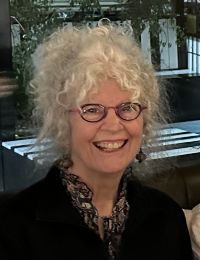
Carolyn Hastie
Dr Carolyn Hastie is a senior lecturer and midwife whose work sits at the intersection of psychophysiological birth, women’s experiences, midwifery and health system sustainability. She is passionate about reframing maternity care as both a human rights issue and an opportunity for meaningful climate action.
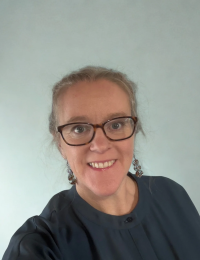
Hazel Keedle
Associate professor Hazel Keedle, PhD, is a midwifery academic at the School of Nursing and Midwifery, Western Sydney University, with more than two decades of experience as a clinician, educator, and researcher. Hazel’s research focuses on vaginal birth after caesarean, birth trauma, and women’s maternity care experiences, explored through feminist mixed methodologies. Her work is recognised nationally and internationally, with numerous invited conference presentations, academic publications, and two books, including Birth After Caesarean: Your Journey to a Better Birth and The Clinician’s Guide to Better Birth After Caesarean. Hazel is the lead researcher on the Birth Experience Study (BESt), the largest survey of maternity experiences in Australia.

Lucy Armitage
Lucy is a PhD candidate and clinically practising Midwife. Lucy’s research explores Pregnancy Associated Cancer care, focused on holistic and supportive care needs, breastfeeding and care navigation. Lucy has published systematic reviews with the Journal of Cancer Survivorship and Seminars in Oncology Nursing, and presented her research at COSA, ACM and LCANZ conferences. Lucy is currently conducting qualitative research interviews with nurses, midwives and women to understand their experiences of care provision given rising incidences of pregnancy associated cancers and the absence of guidelines and evidence-based resources for women and healthcare practitioners.
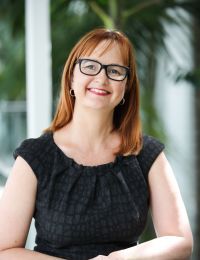
Rachael Austin
Rachael Austin is an endorsed midwife, RN, child and family health nurse and IBCLC with 28 years of professional practice across tertiary and rural hospitals, independent midwifery practice including homebirth, education and academia. She is head of education and a leading specialist practitioner with The Thompson Method. In her role as head of education, Rachael leads a global team and oversees practitioner education, with health professionals joining the Breastfeeding Academy from across the world. As a leading specialist practitioner, she provides advanced clinical care to women internationally. Rachael supports women across pregnancy and birth with a strong emphasis on the transitions from pregnancy, labour and birth into breastfeeding. Her work centres on prenatal breastfeeding education within a preventative healthcare model, with expertise in complex breastfeeding presentations in particular painful nipple trauma. She works from a continuity of midwifery care framework that prioritises physiology and informed decision making, with the aim of improving breastfeeding outcomes globally. Rachael holds a Master of Advanced Clinical Midwifery Practice and a Graduate Certificate in Health Professions Education and is currently completing a Bachelor of Midwifery (Honours). She lives in Central Queensland with her husband and has three adult children.
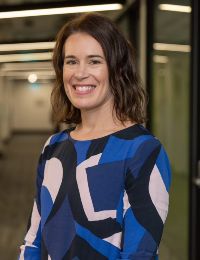
Charlie Benzie
Dr Charlie Benzie is a senior lecturer and discipline lead in midwifery at La Trobe University, with over ten years of clinical and research experience in maternity care. Her expertise centres on improving maternity care for women with disabilities. Her PhD examined disability identification, outcomes and experiences in maternity services. Dr Benzie coordinates an NHMRC-funded RCT evaluating telehealth in antenatal care and leads a co-designed mixed-methods project exploring maternity care for women with disabilities. She is also investigating clinicians’ views of providing medication abortion care to women with disabilities.
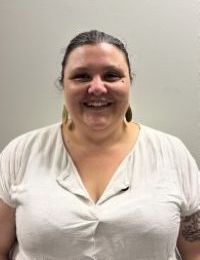
Stacey Butcher
Stacey Butcher is a proud Dunghutti woman raised on Gomeroi Country, with strong and enduring connections to these lands. She is a registered nurse and midwife with over 25 years of experience working across New South Wales, the Northern Territory, and Queensland in mainstream hospital services, community-controlled health organisations, private health, academia, and government. Stacey’s clinical background includes extensive experience in Aboriginal maternal and infant health, community-based continuity of care models, maternity service leadership, and culturally safe, trauma-informed practice across antenatal, intrapartum, and postnatal care. She has worked across regional, remote, and tertiary maternity settings and has contributed to the development and delivery of Aboriginal-led maternity programs. An award winning educator, Stacey has held academic roles including Midwifery Lecturer and First Nations Academic Lead within the School of Midwifery at Charles Darwin University. Her work in education and research focuses on cultural safety, midwifery education, and strengthening the First Nations nursing and midwifery workforce. Now based in Brisbane, Stacey leads First Nations workforce development initiatives within Metro South Health. She is currently an adjunct lecturer of Nursing Uni SQ and a PhD candidate exploring pathways, leadership, and sustainability within the First Nations midwifery workforce.
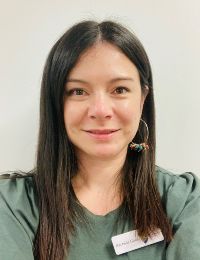
Rachelle Chee
Rachelle Chee is a midwife originally from Sydney, Australia, now based in southeast Queensland. She completed a Bachelor of Nursing in 2007 and a Master of Science (Midwifery) in 2010 at the University of Wollongong. Rachelle is currently a PhD candidate exploring how women’s expectations of the childbearing continuum are shaped by social media content creators and influencers. Since 2010, she has worked across a wide range of mainstream maternity care settings, including tertiary services and midwifery group practice. During her time in midwifery group practice, she provided continuity-of-care midwifery and participated in Wollongong Hospital’s publicly funded home birth service. Rachelle is the head of course and a lecturer in the Bachelor of Midwifery (Graduate Entry) program at Central Queensland University, where she contributes to curriculum development, teaching, and the preparation of future midwives.
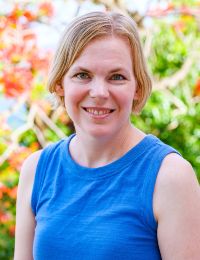
Rebecca Dekker
Rebecca Dekker, a nurse with her PhD, is the founder and CEO of Evidence Based Birth® and the author of “Babies Are Not Pizzas: They’re Born, Not Delivered!” Previously, Dr Dekker was an assistant professor of nursing at the University of Kentucky. In 2016, she left academia to focus full time on the mission of Evidence Based Birth.® Dr. Dekker and her team are directly creating positive change for health care workers and parents - by boldly making the research evidence on childbirth publicly accessible. And their Evidence Based Birth® podcast just surpassed 7 million downloads! Dr Dekker and Team EBB are committed to creating a world in which all families have access to safe, respectful, evidence based, and empowering care during pregnancy, birth, and postpartum.
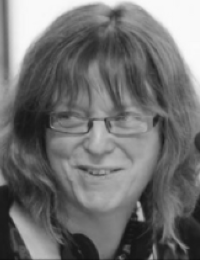
Soo Downe
Soo spent 15 years working as a clinical and research midwife in Derby before joining the University of Lancashire (previously UCLan) in 2001, where she is now the professor of midwifery studies, and an associate dean for research and knowledge exchange. Her research interests include the nature of labour and birth and associated cultures and practices; views and experiences of service users and staff; and the organisation of maternity care. She has been a member of three Lancet Series writing groups (Stillbirth, Midwifery, Caesarean Section) and seven World Health Organisation Technical Working Groups, including major contributions to WHO antenatal, intrapartum, postpartum, and optimising caesarean section guidelines. She has over 230 peer reviewed outputs, and has undertaken research using a wide range of qualitative and quantitative methods, ranging from phenomenology to randomised controlled trials, and qualitative, quantitative and mixed methods systematic reviews, in the UK, across Europe, and in India, Tanzania, and Australia. She is a member of the UK NHS England Maternity and Neonatal Services Stakeholder Council, a Board member of the IMBCO/FIGO ICI initiative, and a Steering Group member of the international QMNC.

Ruby Jackson
Ruby is a UK based midwife with experience in antenatal care, labour and birth, postnatal care and community midwifery. Ruby is the founder of Melanatal-an app created to help improve representation for women and babies of colour in maternity and neonatal healthcare education. Ruby is also a member of the NHS Clinical Entrepreneur Programme in the UK, aiming to improve public health through innovative solutions like Melanatal.

Margaret Myatt
Maggie is a UK based senior midwife, with extensive clinical and community experience and a strong commitment to improving equity and inclusion in maternity care. Maggie is recognised for championing models of care that prioritise continuity of care, culturally responsive education and the rights of women from minoritised backgrounds.

Bernadette Lack
Bernadette is a midwife, somatic and systemic therapist and core and pelvic floor specialist bringing an integrated approach to perinatal care and trauma healing. She holds a Bachelor of Midwifery with First Class Honours from the University of Technology Sydney and a Master of Public Health from James Cook University, where she was awarded the Sidney Sax Medal. Her work bridges the gap between traditional maternity care and embodied trauma work, addressing how trauma lives in the body and relationships. Bernadette is the founder of Core and Floor Restore Pty Ltd, offering programs and services that address the nervous system foundations of perinatal health and healing. She is the creator of Reconnected Birthing™ (trademark pending), a facilitator training and certification program where practitioners learn somatic and systemic tools for birth debriefing. Through her education work, she holds space for both birthing people and care providers to reconnect to themselves and their power, recognising and responding to the somatic and relational dimensions of birth trauma in the moments that matter most.
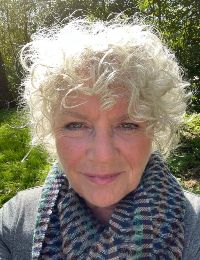
Molly O’Brien
Molly O’Brien is an experienced midwife with over 28 years in practice. She is also a birth preparation teacher, associate university lecturer, and the creator of specialist education programmes in biomechanics for birth for midwives and other birth professionals. Much of her clinical career was spent in settings that actively supported physiological birth, during this period, she attended hundreds of undisturbed physiological births, developing and refining the clinical skills at the heart of midwifery practice. Witnessing the wide variation in normal labour physiology deepened her ability to recognise when birth was not progressing well and led her to explore the underlying causes of labour dystocia. This included examining the influence of pelvic health, modern sedentary lifestyles, increasing medicalisation, and the limited teaching of biomechanics within maternity education and training. Since 2018, Molly has taught almost 8000 midwives and birth workers across the UK, Ireland and internationally, travelling widely to teach gentle, effective and evidence-informed approaches to supporting physiological birth and resolving mechanical difficulties in labour. Most of her current work is delivered within NHS maternity services.
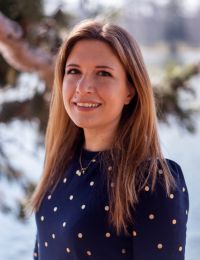
Victoria White
Victoria White is a birth and postnatal doula based in Aberdeen, Scotland. She is the mum of two girls, one of whom is autistic and has ADHD. Following her daughter’s diagnoses, Victoria herself was diagnosed as autistic and with ADHD in her early 40s. Her passion for improving support for neurodivergent people perinatally led to the creation of The Neurodivergent Birth Podcast in 2023, and Neurodivergent Birth CIC in 2024; a not-for-profit social enterprise which provides antenatal education tailored to meet the needs of neurodivergent women, birthing people and their families, and accredited CPD training for the birth professionals supporting them. In 2025 she authored the book ‘Why Neurodivergent Birth Matters’ published by Montag and Martin.
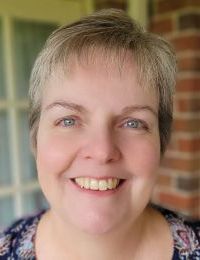
Linda Deys
Dr Linda Deys is an endorsed midwife, registered nurse and IBCLC with nearly 40 years clinical experience. She works as a clinical midwife consultant (lactation support) on the south coast of NSW Australia and submitted her PhD thesis in 2024 through the Australian Catholic University, seeking to understand the maternal experience of non-medically indicated mother-baby separation at caesarean section birth. Linda continues research activities through both her clinical role and as an honorary adjunct fellow at Western Sydney University. Her interests include lactation education, breastfeeding support, woman-centred and midwifery led care, and the role of feminism within maternal health care.
 US/USD